

Nestled between Asturias, Cantabria and Castilla y León, the Picos de Europa is one of Spain’s most dramatic mountain ranges — a compact yet astonishing world of limestone peaks, deep gorges, emerald lakes and traditional stone villages. Despite its relatively small size, the region feels vast and wild, offering some of the most impressive alpine scenery in northern Spain. Whether you are drawn by panoramic viewpoints, scenic mountain roads or iconic hiking routes like the Cares Gorge, the Picos de Europa delivers unforgettable landscapes at every turn.
This three-day itinerary brings together the area’s essential highlights, combining lakes, valleys, rugged peaks and charming towns. It was made for us, and we think that it is designed for travellers who want a balanced mix of accessible nature, manageable hikes and spectacular viewpoints, all within short driving distances.
_-_20170723154559.jpg)
Conorohara [CC BY-SA 4.0], via Wikimedia Commons
Day 1 — Lakes of Enol & Ercina, Cangas de Onís & Covadonga
These three destinations stay close to each other and can be done in one day. We recommend to spend a lot of time in the Lakes.
What to See & Do
- Start in Cangas de Onís, a small town perched beside the Sella river. Its iconic Roman Bridge and the Victory Cross (Cruz de la Victoria) make it a symbolic gateway to Asturias.
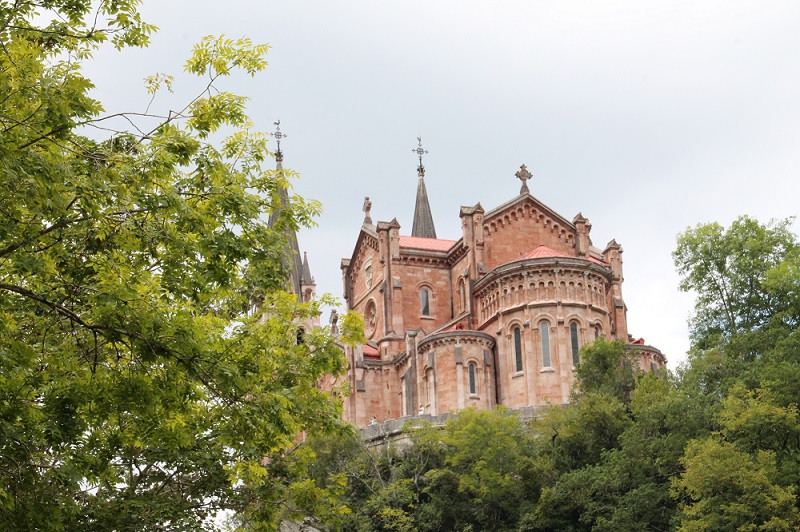
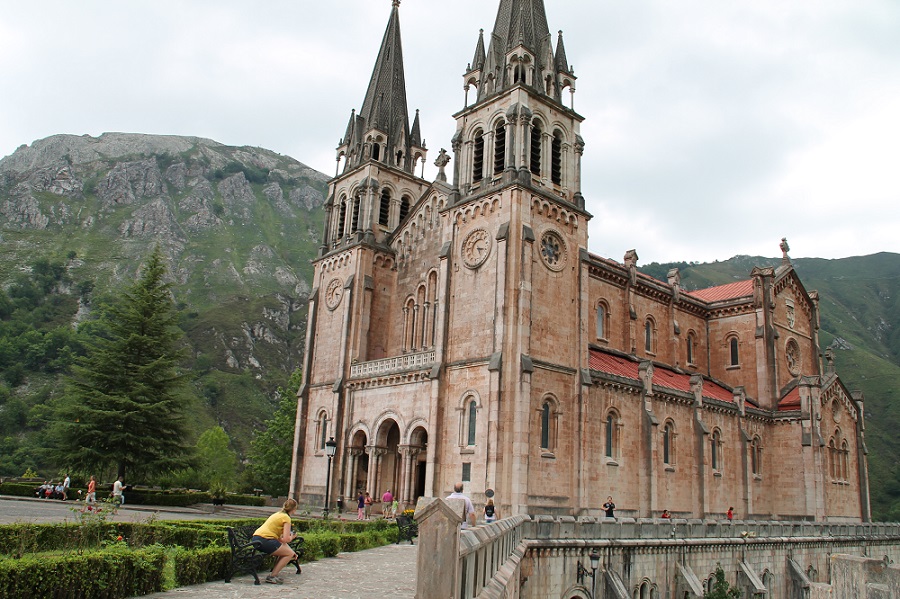
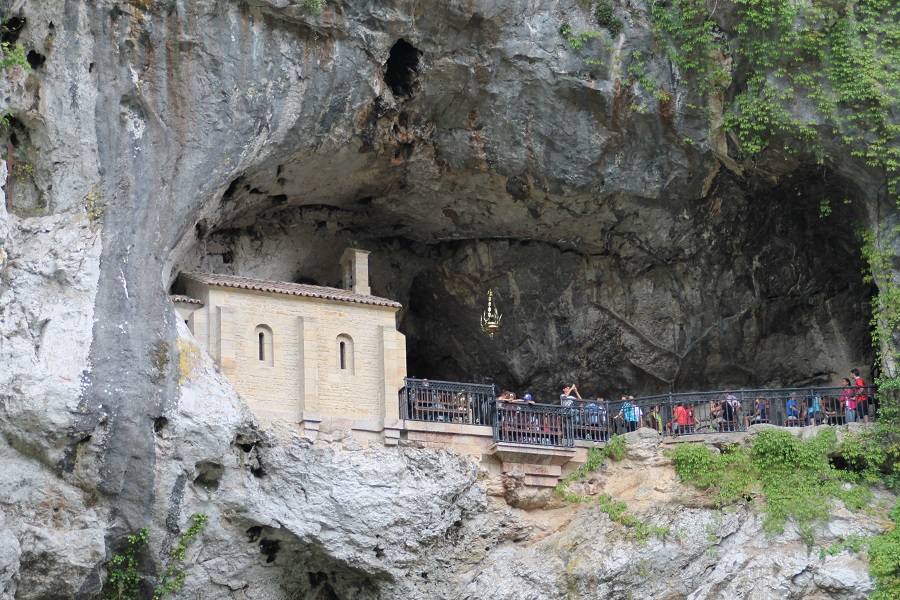
- From there, proceed to Covadonga, where you can visit the basilica and the nearby Santa Cueva, the sacred cave venerating the Virgin of Covadonga.
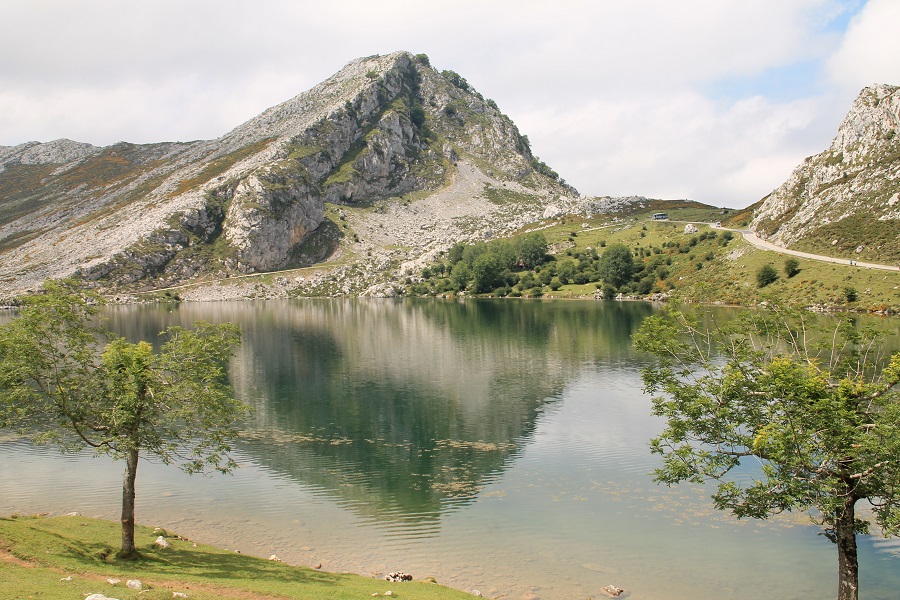
- Continue uphill to the Enol and Ercina lakes — high-mountain lakes offering panoramic alpine scenery. Paths around the lakes allow for easy walking and enjoying the landscape.
Travel & Practical Tips
- Access to the lakes often requires parking down below and using shuttle buses, as vehicle access to the top may be restricted.
- Allocate plenty of time for this day: the lakes and Covadonga deserve lingering for views, relaxation or photo stops.
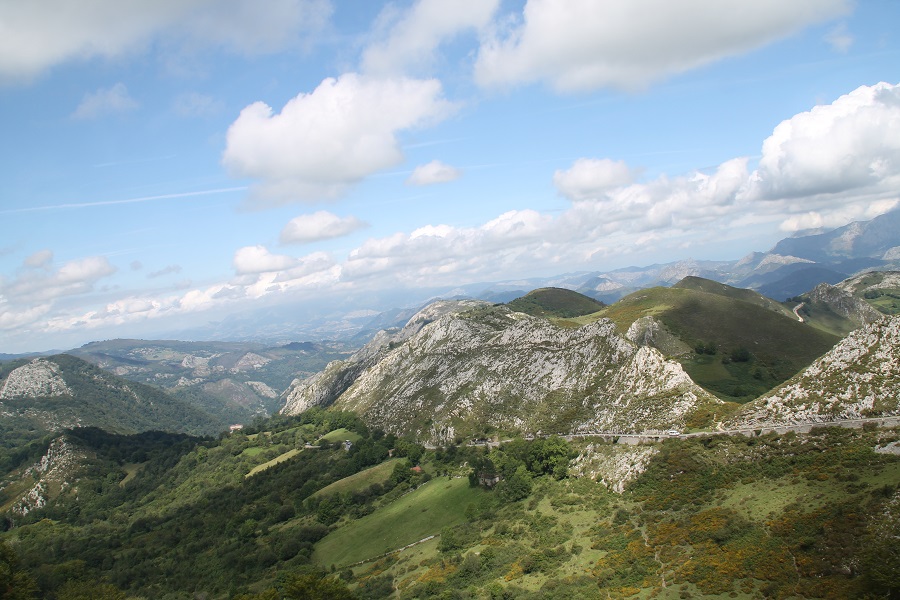
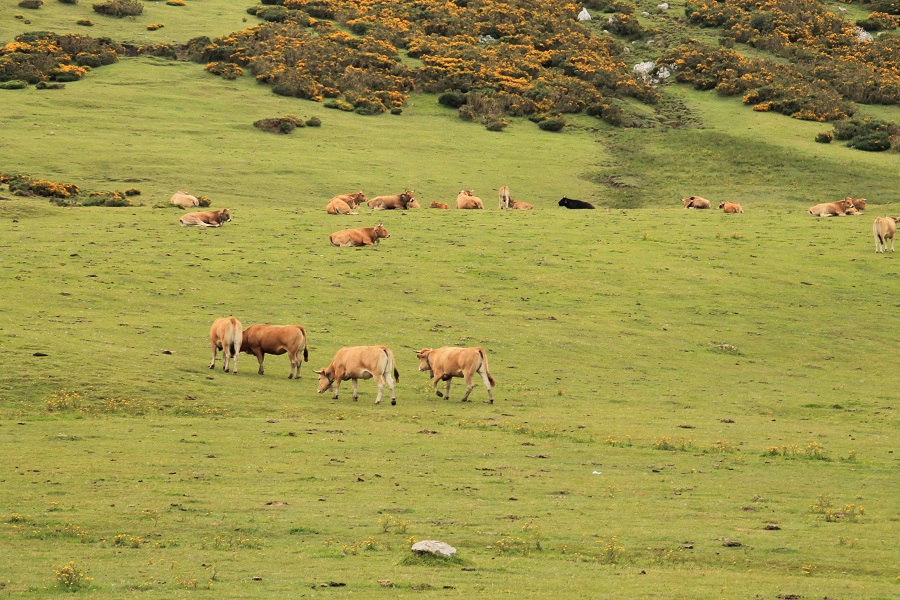
In this zone you will also find many cows grazing quietly the green grass that springs everywhere.
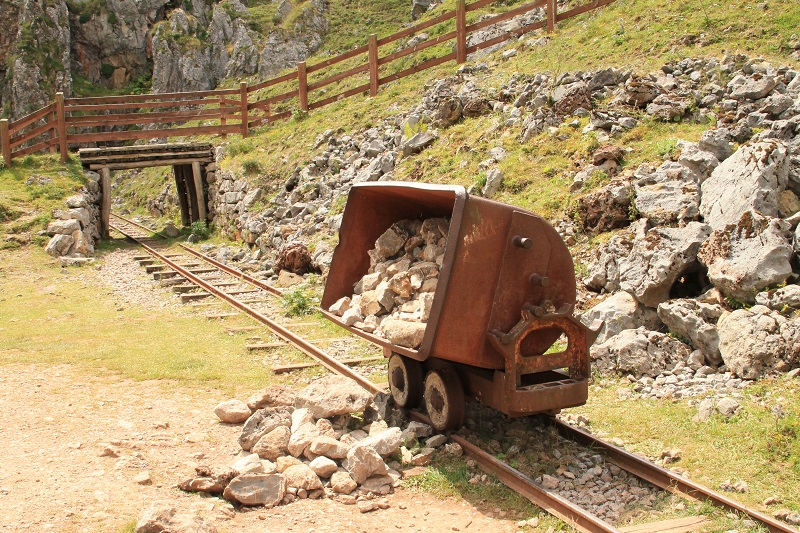
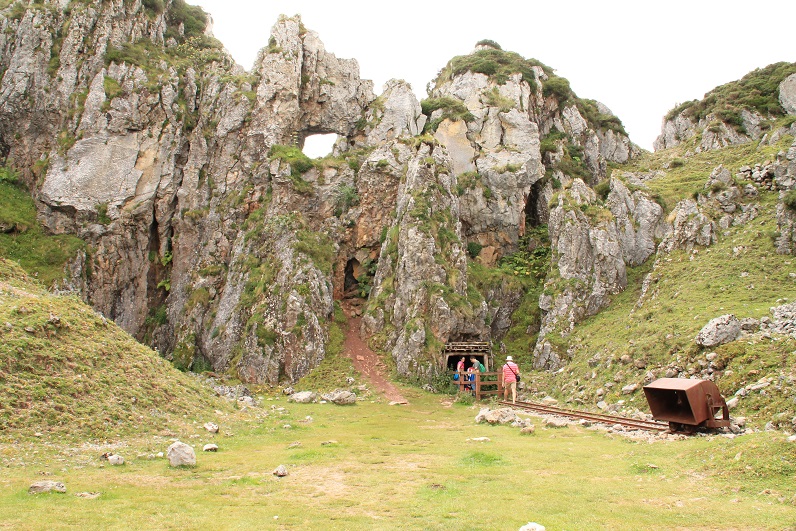
There are also traces of a mine and several recovered utensils.
Day 2 — Potes, Caín and the Cares Gorge
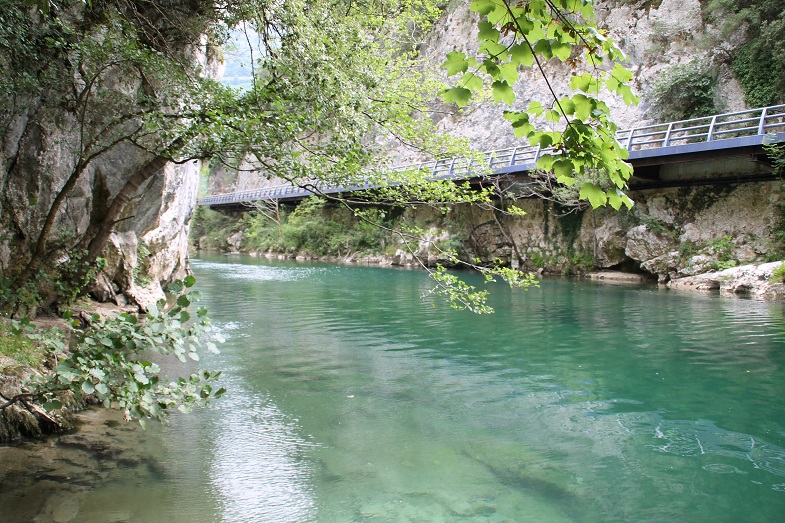
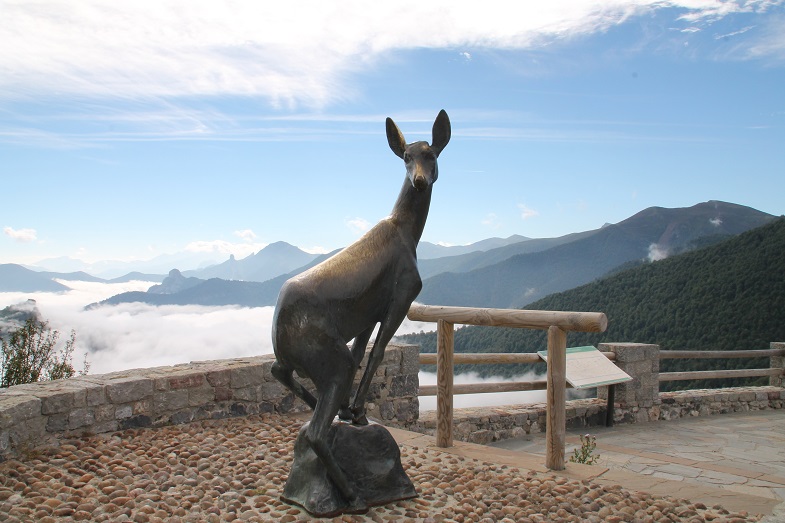
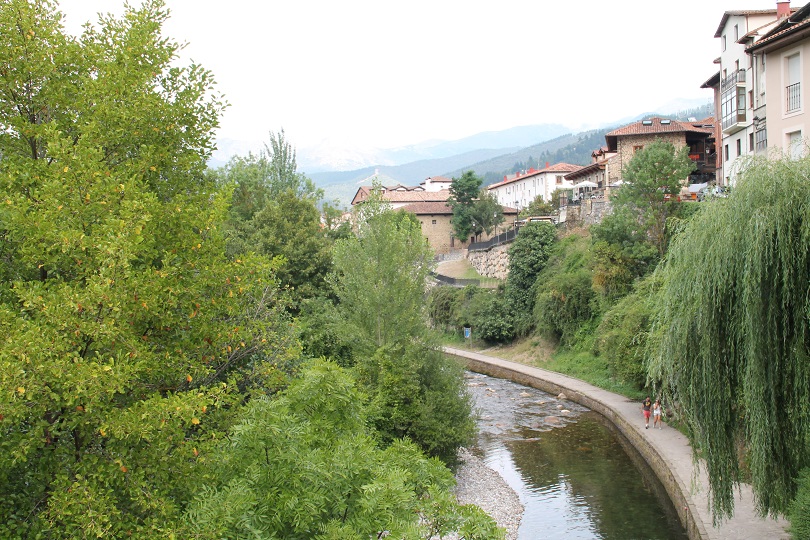
Leaving Potes where we stay, we continue towards Caín, a small isolated village and where the Cares route begins or ends. The road, like many of those that exist in the Picos de Europa, constantly dazzles us with the rare beauty of the landscape.
What to See & Do
- Potes, a charming village that offers mountain-tourism infrastructure, restaurants and other services.
- From Potes, drive toward Caín, a small, remote village — the start (or end) point of the famous Ruta del Cares. The road itself is spectacular, winding through mountain valleys and offering breathtaking views.
- Hike the Ruta del Cares, a trail carved into the gorge along the Cares River. It runs between Poncebos and Caín (or vice versa), through tunnels, cliff-side paths and bridges — one of the most scenic and dramatic trekking routes in the Picos.
What to Know
- The Cares Trail is around 11–12 km one way (so roughly 22–24 km round trip) depending on the start/end point. Wikipedia
- Proper footwear is strongly recommended (rocky paths, narrow sections).
- In summer or high season, the trail can get busy — plan to start early.
- In raining months, be aware of the weather.
Learn more about the Cares route in this article.
Day 3 — High Mountains: Fuente Dé & the Peaks
This third day would be the day dedicated to high mountain, but time did not allow us. A recommendation for anyone visiting the Picos de Europa is to use the weather apps and organize the trip taking into account the weather forecasts.
What to See & Do
- Drive to Fuente Dé, roughly 20 km from Potes heading toward the central massif.
- Take the cable car from Fuente Dé to 1,834 m altitude. From the top, you’ll find walking paths that offer dramatic high-mountain views — ideal to appreciate the rugged limestone peaks of Picos de Europa.
- If weather and time allow, explore the high-altitude terrain. The region’s highest peak, Torre de Cerredo, rises to 2,650 m — a striking summit for those with mountaineering interest.
Notes on Conditions
- Mountain weather is unpredictable. It’s important to check forecasts and be prepared for rapid changes.
 
Juan Fernández [CC BY-SA 2.0], via Wikimedia Commons
Where to Stay
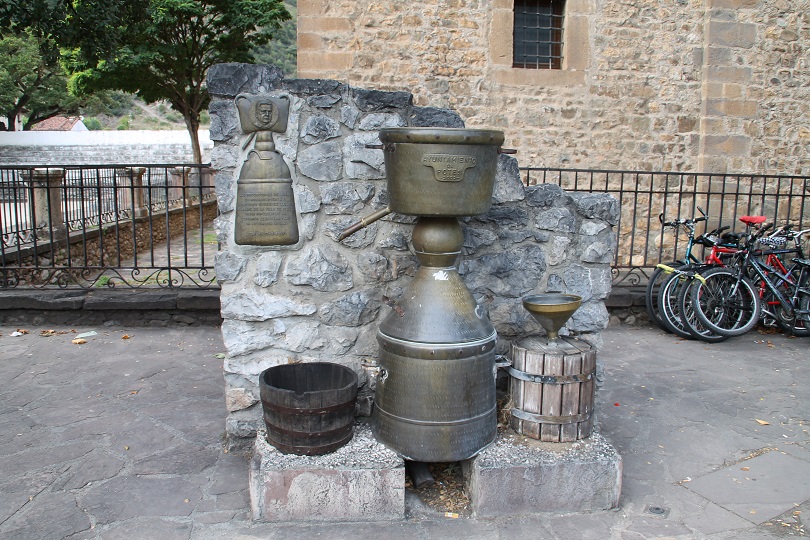
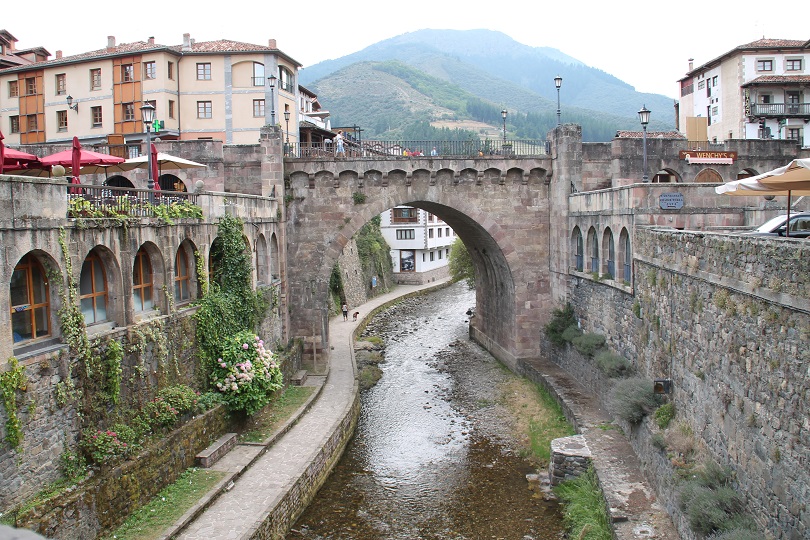
Of the several possible places to stay, we ended up choosing the village of Potes, which turned out to be a pleasant surprise. It was central, well-equipped, and conveniently located for the three-day trip. It offers restaurants, services and good access to mountain roads — a good balance between comfort and proximity to nature.
If you prefer mountain-side lodging (mountain huts, refugios) — especially for Day 3 — you might consider accommodations closer to high-altitude zones.
Potes is dedicated to mountain tourism, since it is located near Fuente Dé, where you can go ski. There are many restaurants, public services and souvenir shops.
Compare the fly rates to OVIEDO!
Practical Guide — Tips & Advice
When to Visit
- Ideal visiting window: late spring through early autumn. During summer months enjoy mild temperatures.
- Popular spots (lakes, Cares Trail) can get crowded — aim for early starts to avoid peak crowds.
How to Get There
- Fly to Oviedo Airport (or another nearby airport) and rent a car — the road network in Spain is good and gives flexibility to explore the mountains.
- Given the rugged terrain and dispersed locations, having a car (or renting one) is strongly recommended over relying on public transport.
What to Pack & Prepare For
- Appropriate hiking footwear (for trails like Ruta del Cares).
- Layers — mountain weather can change quickly, especially at higher altitudes.
- Flexibility in planning — mountain conditions (weather, accessibility) may force changes (especially for Day 3).
Plan your trip using the following tools or website
Using the following links and tools on the website you are helping to maintain Scannertrip. This use is the same for you and you do not pay more for it. For Scannertrip it makes all the difference!!
Hotels
To find the best hotel stays use Booking. It is one of the best websites for booking stays, always with promotions on some destinations. The reliability and ease of booking and cancelling make it even the most popular.
Flights
Compare Hotels prices
To compare prices for your Stays you can use the Hotels Combined or hotellook websites. These search engines show different prices from other websites for the same destination. There may be a lower price for the same hotel on another website and these search engines will show it.
Rent a car
If you choose to rent a car, also use the price comparators. The autoeurope website compares prices from different rental companies.
Activities
When preparing what to do at your destination, you will search for activities to be occupied. Use this activity comparator in the scannertrip provided by the Musement, tiqets, the civitatis or Get Your Guide.
Transfers
Transfers to and from the airport can be purchased via the website kiwitaxi. So you don’t need to get in touch with the different companies in your destination looking for the best price.
Bus or Train
If you need to travel by Bus or Train to your destination you can use this tool to help you to find the best rates.


No Comment! Be the first one.