

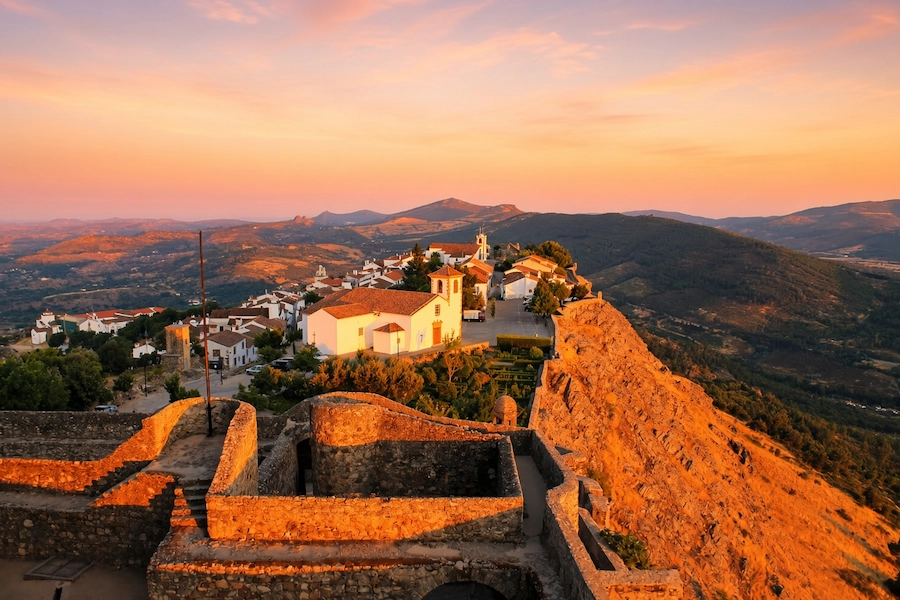
Some places impress us with their scenery, others with their history, and a few manage to combine both in a way that makes them truly memorable. Marvão, in Portugal’s Alentejo region, was one of those places for us.
Perched high on the Serra do Sapoio, within the Serra de São Mamede Natural Park and just a short distance from the Spanish border, this remarkable medieval village seems to rise straight out of the surrounding landscape. Its imposing castle, ancient defensive walls, whitewashed houses and far-reaching views make it one of the most distinctive places to visit in inland Portugal.
We visited Marvão in summer and thoroughly enjoyed the experience. We explored the narrow streets, climbed up to the castle, stopped repeatedly to admire the views, enjoyed the local restaurants and even made time to relax at the Sever River beach in Portagem, a welcome escape from the Alentejo heat.
In this guide, we share our experience and everything you need to know about visiting Marvão, including its fascinating history, the best things to see and do, nearby attractions, local food, accommodation options and the best time to visit.
Whether you are planning a weekend getaway, a road trip through the Alentejo or a longer journey exploring Portugal’s lesser-known destinations, Marvão deserves a place on your itinerary.
- 📍 Where is Marvão in Portugal?
- 📍 Where to stay in Marvão
- ❤️ Why visit Marvão?
- 🏰 Marvão Castle: the village's most impressive landmark
- 📜 A brief history of Marvão
- 🚶 What to see in Marvão
- 🌊 Portagem and the Sever River beach
- 🌿 Things to do in Marvão and the surrounding area
- 🍽️ What to eat in Marvão
- ☀️ When is the best time to visit Marvão?
- 📅 How many days do you need to visit Marvão?
- ❓ Frequently asked questions about Marvão
- ❤️ Our experience of visiting Marvão
📍 Where is Marvão in Portugal?
Marvão is a small historic village in the municipality of Marvão, in the Portalegre district of Portugal’s Alto Alentejo region. It stands within the Serra de São Mamede Natural Park, close to the Spanish border.
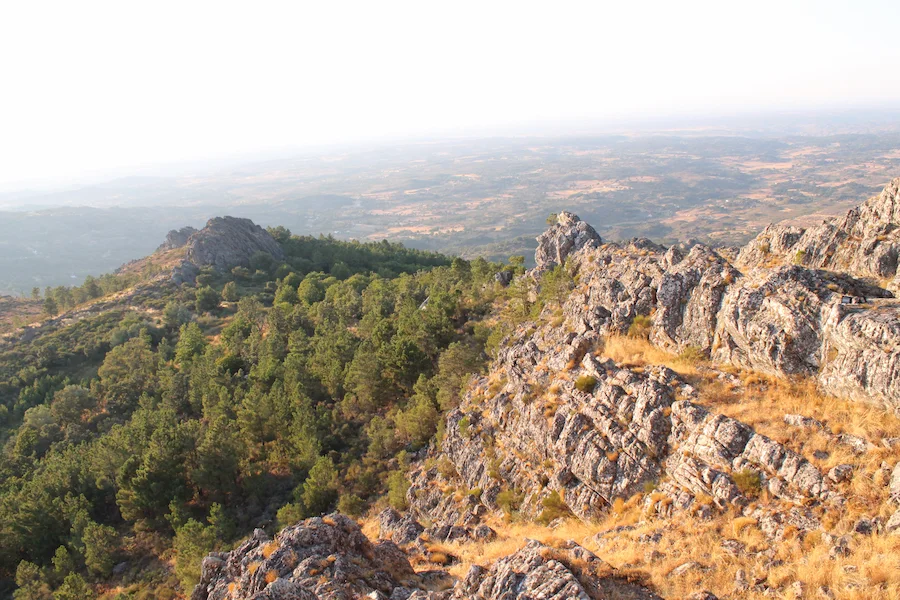
Its dramatic location is one of its greatest attractions. The village sits at approximately 860 metres above sea level, surrounded by rocky slopes, wooded hills and open countryside.
This is not the flat, endless landscape many people associate with the Alentejo. Here, the scenery is more mountainous, with chestnut trees, cork oaks, olive groves and green valleys creating a landscape that feels quite different from much of southern Portugal.
The surrounding natural park is also home to a rich variety of wildlife and offers excellent opportunities for walking, cycling and birdwatching.
Marvão is a particularly rewarding stop on a road trip through inland Portugal, especially if you enjoy historic villages, quieter destinations and places where the journey is just as memorable as the destination itself.
📍 Where to stay in Marvão
Although Marvão is a small village, there are several accommodation options in the historic centre and surrounding countryside.
The best choice depends on whether you prefer to stay inside the old walls, enjoy a rural retreat or use the area as a base for exploring the region.
🏰 Stay inside the historic village
For a particularly atmospheric experience, consider staying within the medieval walls.
The Pousada de Marvão is a well-known option associated with the historic centre and provides an opportunity to experience the village beyond the busiest sightseeing hours.
One of the advantages of staying in the village is being able to enjoy the streets early in the morning or later in the evening, when the atmosphere is quieter.
🛏️ Choose a rural guesthouse or country house
Another option is to stay in a rural property in the surrounding countryside.
The wider municipality and neighbouring areas offer guesthouses, country houses and rural accommodation, some with views over the hills or countryside like Art-Marvão.
🌳 Stay outside Marvão
You do not necessarily need to stay inside the village.
Nearby Portagem and other settlements in the region can be convenient alternatives, particularly if you are travelling by car.
❤️ Why visit Marvão?
Before our visit, we had already seen photographs of Marvão’s castle and spectacular setting. However, seeing the village in person was a completely different experience.
There are several reasons why we believe Marvão deserves a place on your Portugal itinerary.
🏰 1. Marvão Castle and its medieval walls
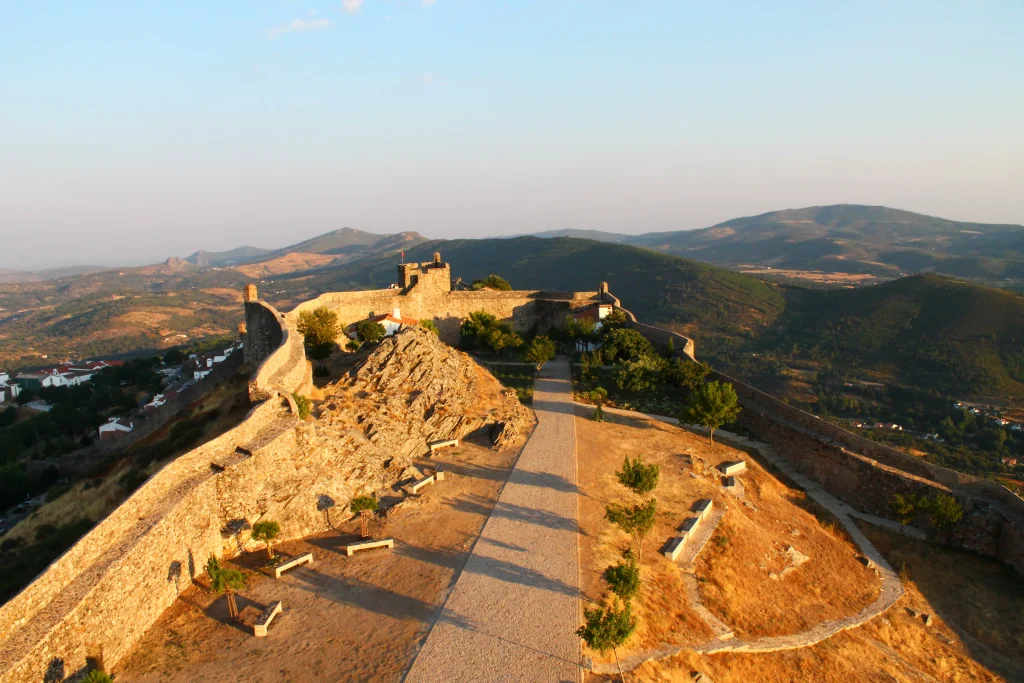
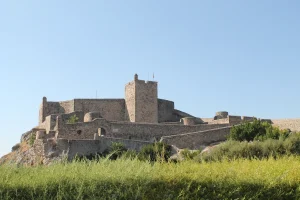
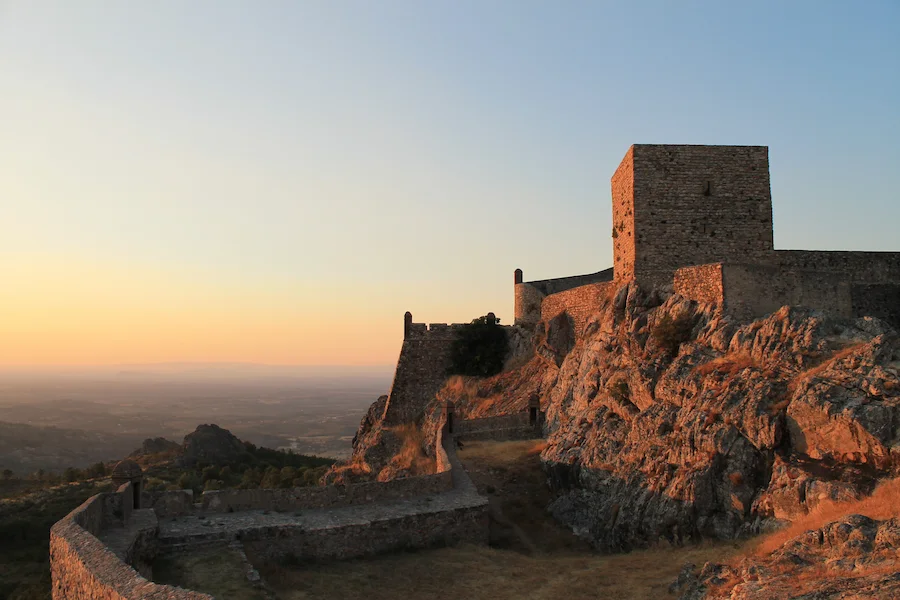
The castle is the village’s most recognisable landmark and one of the main reasons people travel here. Built in a strategically important position, the fortress takes advantage of the steep cliffs and elevated terrain to defend the surrounding territory.
Walking through the castle gives you a real sense of how important this location once was. The defensive walls, towers and courtyards reveal a long military history, while the views from the ramparts are simply spectacular.
For us, visiting the castle was an essential part of the experience.
🌄 2. The breathtaking views
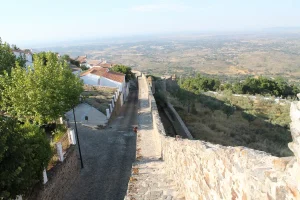
One of the things we enjoyed most about Marvão was the scenery. The village’s elevated position provides far-reaching views across the surrounding countryside. On a clear day, the landscape seems to stretch endlessly towards the Spanish border.
The castle’s Keep Tower is one of the best places to appreciate these views.
Our advice is simple: take your time. Marvão is not somewhere to rush through, ticking off monuments one after another.
🧱 3. The narrow streets and whitewashed houses
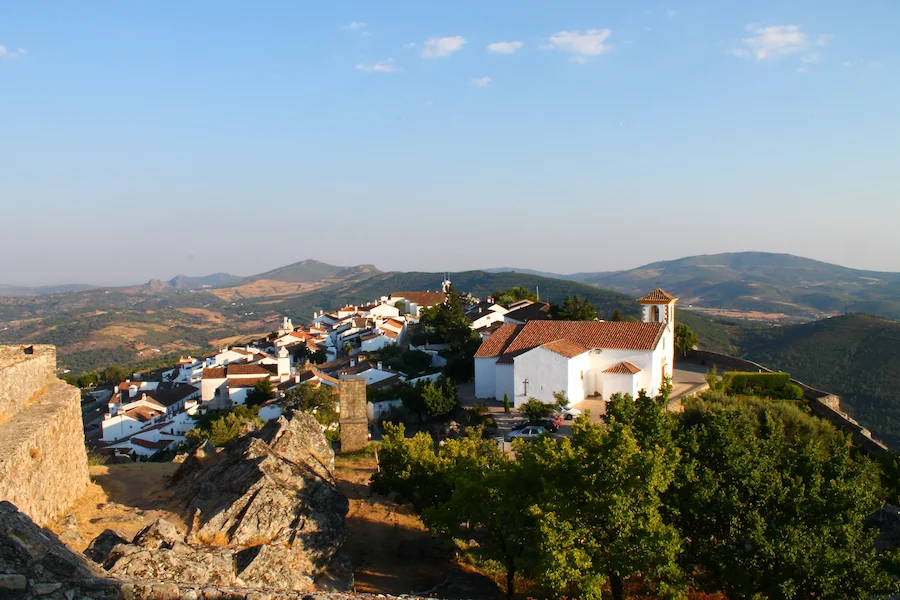
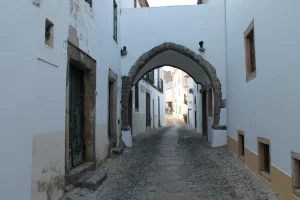
The historic centre is a pleasure to explore on foot. Its narrow cobbled streets, whitewashed houses, traditional architecture and small squares give the village a distinctive character.
Look out for the stone doorways, wrought-iron balconies, old windows and architectural details that reveal different periods of Marvão’s history.
🌳 4. Nature and outdoor activities
Marvão is surrounded by the Serra de São Mamede Natural Park, making it an excellent destination for anyone who enjoys spending time outdoors.
The area offers walking trails, rural roads, forested slopes and viewpoints overlooking the surrounding countryside. There are also opportunities for mountain biking, wildlife photography and birdwatching.
🏊 5. The river beach at Portagem
One of the highlights of our summer visit was spending time at the river beach in Portagem. After exploring the village and castle, it was lovely to head down towards the Sever River and enjoy a more relaxed part of the day.
For us, this combination worked particularly well: exploring Marvão in the morning, enjoying lunch at a local restaurant and spending the warmer hours by the water.
🍽️ 6. Traditional Alentejo food
Food is another important part of the experience. The region is known for its traditional cooking, with dishes featuring lamb, goat, local cheeses, olive oil, game and seasonal produce.
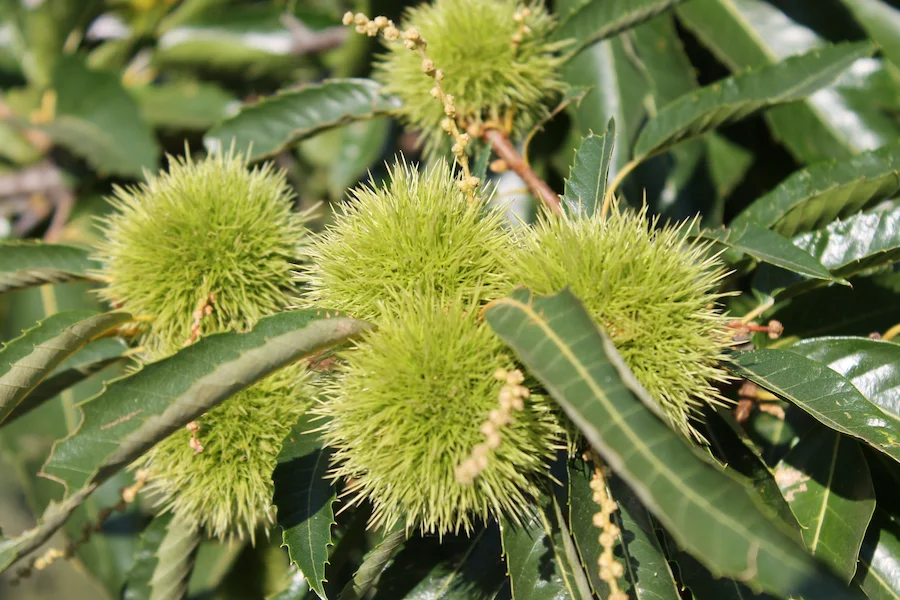
Chestnuts are particularly associated with Marvão and feature in local recipes and seasonal gastronomic events.
🌙 7. Peace and quiet
Perhaps one of Marvão’s greatest attractions is its atmosphere. Although it attracts visitors, it retains a peaceful character that makes it ideal for a relaxing break. We enjoyed being able to slow down, explore at our own pace and take in the scenery without feeling the need to rush.
If you are looking for a destination away from Portugal’s busiest coastal resorts, Marvão is well worth considering.
🏰 Marvão Castle: the village’s most impressive landmark
No visit to Marvão would be complete without exploring its castle.
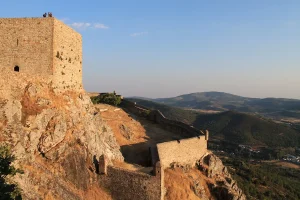
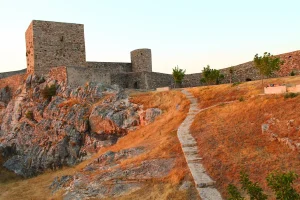
The fortress occupies a commanding position above the surrounding landscape, with steep slopes providing a natural defensive advantage. Its history is closely connected to the strategic importance of the border region. Over the centuries, the castle was adapted and strengthened to respond to changing military needs.
Marvão played a role in several periods of conflict, including the Portuguese succession crisis of 1383–1385, the Portuguese Restoration Wars and the Peninsular War.
Today, the castle allows visitors to explore its defensive structures and appreciate the remarkable setting that made it so important.
For us, the most memorable aspect was the relationship between the fortress and the landscape. As we walked around the walls, it was easy to understand why this location was so valuable for controlling the surrounding territory.
📜 A brief history of Marvão
Marvão’s history is inseparable from its strategic location. The area’s elevated position made it a natural defensive stronghold, and the village developed around this important military site.
The name Marvão is associated with Ibn Marwan, a Muslim leader who established a stronghold in the region during the ninth century. The area subsequently became part of the Christian territories during the Reconquista.
Marvão was granted town status by King Sancho II in 1266 and later received additional royal charters, including one issued by King Manuel I.
Its importance continued through later centuries, when its position close to the Spanish border made it relevant during conflicts involving Portugal and Spain.
The fortified settlement gradually developed into the historic village we see today.
One of the things we found particularly interesting is that Marvão’s history is not confined to a museum or a single monument. It is visible throughout the village, from the defensive walls and castle to the layout of the streets and the traditional houses.
🚶 What to see in Marvão
Although Marvão is small, there is plenty to discover during a leisurely walk through the historic centre.
🧱 The village gates and defensive walls
Start by exploring the entrance gates and the old defensive walls. These structures help explain how the village was protected and how its layout developed around the castle.
Walking through the gates feels like stepping into another period of Portuguese history.
⛪ Marvão Municipal Museum
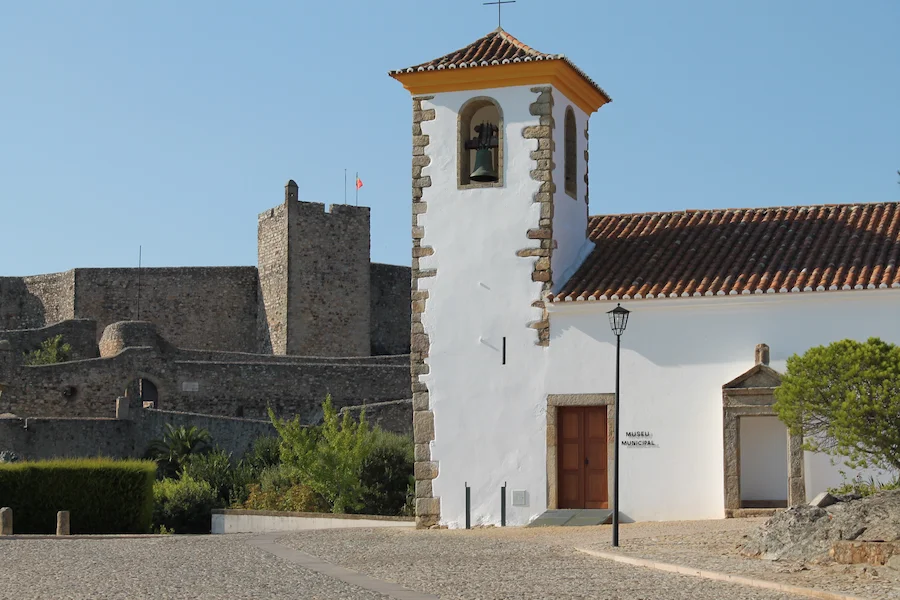
Housed in the former Church of Santa Maria, the Municipal Museum provides an opportunity to learn more about the village’s history, traditions and cultural heritage.
It is worth including if you want to understand more about the place beyond its spectacular views. Check the current opening arrangements before visiting, as museum hours may vary.
⛪ Santiago Church
Santiago Church is another historic building worth looking out for as you explore the village. Its religious and architectural heritage adds another layer to Marvão’s historic character.
⛪ Espírito Santo Chapel
The Chapel of Espírito Santo is another point of interest within the historic centre.
It is a worthwhile stop if you enjoy discovering smaller historic buildings while wandering through old Portuguese towns.
🪨 The pillory
Marvão’s historic centre also contains a pillory associated with the town’s municipal privileges and the period of King Manuel I.
It provides another small reminder of the village’s former civic importance.
🌊 Portagem and the Sever River beach
When people think of a medieval village in the Alentejo, a river beach might not be the first thing that comes to mind. However, the area around Portagem offers a wonderful way to combine sightseeing with some summer relaxation.
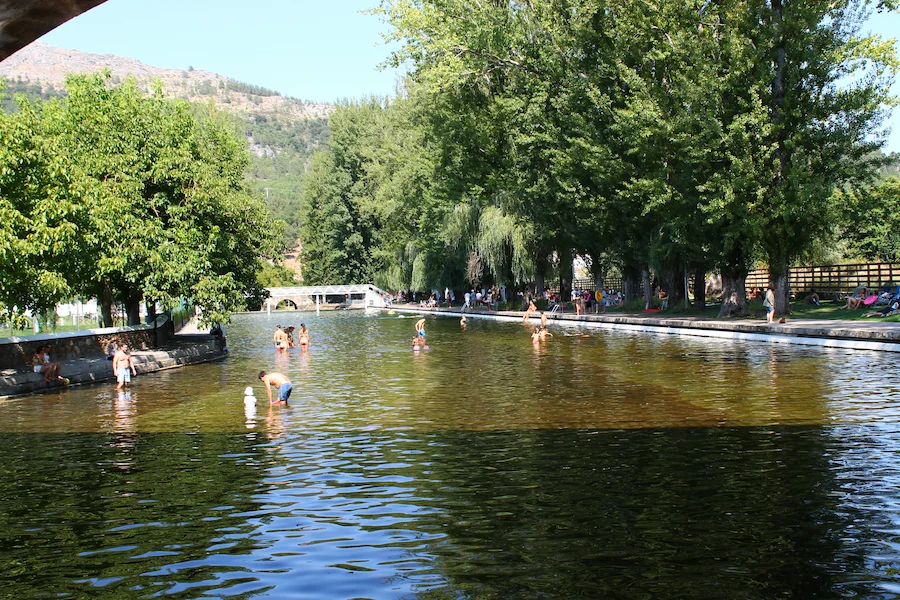
The Sever River beach is located below Marvão, in the Portagem area, and is a popular place to cool down during the warmer months. This was one of our favourite additions to the visit.
After exploring the castle and the historic centre, we headed towards the river and enjoyed a completely different side of the region.
The change of scenery was welcome: instead of stone walls and hilltop views, we found water, greenery and a more relaxed atmosphere.
Portagem itself is also worth a short stop, making it an easy addition to a day exploring Marvão. If you are visiting in summer, we recommend spending the morning exploring the village and leaving the hottest part of the afternoon for the river beach.
Check local conditions and available facilities before swimming, particularly outside the main summer season.
🌿 Things to do in Marvão and the surrounding area
One of the best reasons to visit Marvão is the variety of attractions nearby.
You can spend time exploring historic villages, discovering Roman ruins, walking in the mountains or visiting other towns in the Alto Alentejo.
🏛️ The Roman City of Ammaia
A short drive from Marvão lies the archaeological site of Ammaia, one of the region’s most important historical attractions.
Ammaia was a Roman city that developed during the Roman occupation of the Iberian Peninsula. Today, its remains offer an insight into urban life in this part of the territory almost two thousand years ago.
The archaeological site is particularly interesting if you enjoy history, Roman heritage or visiting places that reveal how different civilisations shaped Portugal. It also provides an interesting contrast with Marvão. While the village is best known for its medieval fortifications, Ammaia takes you much further back in time.
The two attractions are close enough to combine in the same day.
🥾 Walking in the Serra de São Mamede Natural Park
The Serra de São Mamede Natural Park is an excellent destination for outdoor enthusiasts.
Its landscape includes wooded hills, rocky outcrops, valleys and rural paths, creating opportunities for walking and nature photography.
The park supports a wide variety of wildlife and vegetation, including cork oaks, holm oaks and chestnut trees. There are marked walking routes in the wider region, although it is worth checking route conditions, distances and difficulty before setting out.
If you enjoy hiking, this area is a particularly good reason to spend more than one day in Marvão. During summer, start early and carry enough water, as temperatures can rise considerably.
🦅 Birdwatching
The Serra de São Mamede Natural Park is also an interesting destination for birdwatching.
The diversity of habitats supports numerous bird species, including birds of prey.
Bring binoculars if birdwatching is one of your interests, and remember to observe wildlife from a respectful distance.
🏘️ Visit Castelo de Vide
If you are visiting Marvão, we strongly recommend including Castelo de Vide in your itinerary. The two historic towns are relatively close to each other and make an excellent combination for a day trip.
Castelo de Vide is known for its castle, whitewashed houses, historic streets and one of Portugal’s best-known historic Jewish quarters.
Its atmosphere differs slightly from Marvão. While Marvão feels like a fortified village suspended above the landscape, Castelo de Vide has a more extensive historic centre that is equally rewarding to explore.
Spend some time walking through the old streets, visiting the castle area and discovering the Jewish heritage. If you have two or three days in the region, combining both towns is an excellent choice.
⛰️ Visit the summit of Serra de São Mamede
Nature lovers should also consider visiting the summit of Serra de São Mamede. At approximately 1,025 metres above sea level, it is the highest point in the Alentejo.
The surrounding landscape is very different from the open plains commonly associated with the region. Here, the hills, woodland and changing terrain create a distinctive setting for walking and photography.
The summit can be included in a wider drive through the natural park, although you should check access and weather conditions before travelling.
🏛️ Explore Portalegre
Portalegre is another worthwhile stop when exploring the Alto Alentejo. The city has a historic centre and is particularly famous for the traditional art of Portalegre tapestries, which have a distinctive place in Portuguese decorative arts.
You can combine a walk through the city with a visit to a museum or a meal at a local restaurant.
Portalegre is a useful addition if you want to extend your stay beyond Marvão and Castelo de Vide.
Cross the border into Spain
Marvão’s location close to Spain makes it an interesting starting point for a cross-border road trip.
The neighbouring Extremadura region has its own historic towns, rural landscapes and gastronomic traditions.
Valencia de Alcántara is one option to consider if you have additional time and would like to explore the Spanish side of the border.
Combining the Portuguese Alto Alentejo with Extremadura is a great way to discover a less-visited part of the Iberian Peninsula.
🍽️ What to eat in Marvão
A visit to Marvão would not be complete without sampling the local cuisine.
The food reflects the traditions of the Alentejo, with simple ingredients, regional produce and recipes that have been passed down through generations.
During our visit, we enjoyed stopping at local restaurants and making food part of the experience rather than simply treating it as a break between attractions.
Here are some regional specialities worth looking for:
- Chestnuts: One of the products most closely associated with Marvão, used in both savoury dishes and desserts.
- Lamb and goat: Traditional meats that feature in regional cooking.
- Olive oil: An essential ingredient in many Alentejo dishes.
- Regional cheeses: Worth trying as a starter or alongside local bread.
- Cured meats and sausages: Traditional products found throughout the region.
- Game dishes: Depending on the restaurant and season, these may feature on local menus.
- Traditional soups: Hearty dishes that reflect the region’s rural cooking.
- Chestnut desserts: A particularly good choice if you visit during the autumn.
Chestnuts deserve special attention because of their importance to Marvão’s identity and local gastronomy.
The area celebrates the chestnut harvest with seasonal events and gastronomic initiatives, making autumn an especially interesting time to visit.
Our advice is to ask restaurants about local and seasonal specialities rather than choosing only familiar dishes.
☀️ When is the best time to visit Marvão?
Marvão can be visited throughout the year, but each season offers a slightly different experience.
🌸 Spring: ideal for walking and nature
Spring is an excellent time to explore the countryside. Temperatures are generally more comfortable for walking, and the surrounding vegetation brings colour to the landscape.
☀️ Summer: our experience of Marvão
We visited Marvão during the summer and really enjoyed the experience. The longer days allowed us to explore the village, visit the castle, enjoy lunch at a local restaurant and still have time to head down to the river beach at Portagem.
However, summer temperatures in the Alentejo can be very high. We recommend exploring the village early in the morning, taking a break during the hottest part of the day and saving outdoor activities for the cooler hours.
🍂 Autumn: chestnuts and seasonal food
Autumn is a particularly attractive season for anyone interested in local food and traditions. Chestnuts are closely associated with Marvão, and the region celebrates the harvest with seasonal events. The changing colours of the countryside also create excellent opportunities for photography.
❄️ Winter: a quieter atmosphere
Winter offers a different perspective on Marvão. Cold weather, mist and changing light can create a dramatic atmosphere around the castle and walls.
It can be an excellent time for visitors who prefer quieter destinations, although you should be prepared for low temperatures and check opening hours before travelling.
📅 How many days do you need to visit Marvão?
You can explore the main sights in Marvão in one full day, but we recommend staying longer if you want to discover the surrounding area.
With one day, you can explore the main historic attractions:
- Walk through the village gates and historic streets.
- Visit the castle and Keep Tower.
- Explore the defensive walls.
- Visit the Municipal Museum, if open.
- Stop at the historic churches and pillory.
- Enjoy lunch at a local restaurant.
- Spend some time appreciating the views.
This is a good introduction to Marvão, although you may find yourself wishing you had more time.
❓ Frequently asked questions about Marvão
Plan your trip using the following tools or website
Using the following links and tools on the website you are helping to maintain Scannertrip. This use is the same for you and you do not pay more for it. For Scannertrip it makes all the difference!!
Hotels
To find the best hotel stays use Booking. It is one of the best websites for booking stays, always with promotions on some destinations. The reliability and ease of booking and cancelling make it even the most popular.
Flights
Compare Hotels prices
To compare prices for your Stays you can use the Hotels Combined or hotellook websites. These search engines show different prices from other websites for the same destination. There may be a lower price for the same hotel on another website and these search engines will show it.
Rent a car
If you choose to rent a car, also use the price comparators. The autoeurope website compares prices from different rental companies.
Activities
When preparing what to do at your destination, you will search for activities to be occupied. Use this activity comparator in the scannertrip provided by the Musement, tiqets or the civitatis.
Transfers
Transfers to and from the airport can be purchased via the website kiwitaxi. So you don’t need to get in touch with the different companies in your destination looking for the best price.
Bus or Train
If you need to travel by Bus or Train to your destination you can use this tool to help you to find the best rates.
❤️ Our experience of visiting Marvão
Marvão stayed with us for a simple reason: it was not just somewhere we visited, but somewhere we genuinely enjoyed experiencing.
We loved wandering through the streets within the walls, climbing up to the castle and stopping to admire the views. The historic architecture, the peaceful atmosphere and the surrounding landscape made the visit particularly memorable.
Our summer trip also had another highlight. After exploring the village, we headed down to Portagem, where we enjoyed the Sever River beach and took the opportunity to relax before finishing the day with local food.
That combination made the experience feel complete.
History in the morning, spectacular scenery throughout the day, a refreshing break by the river and good food to finish.
It is hard to ask for much more from a trip through inland Portugal.

No Comment! Be the first one.