

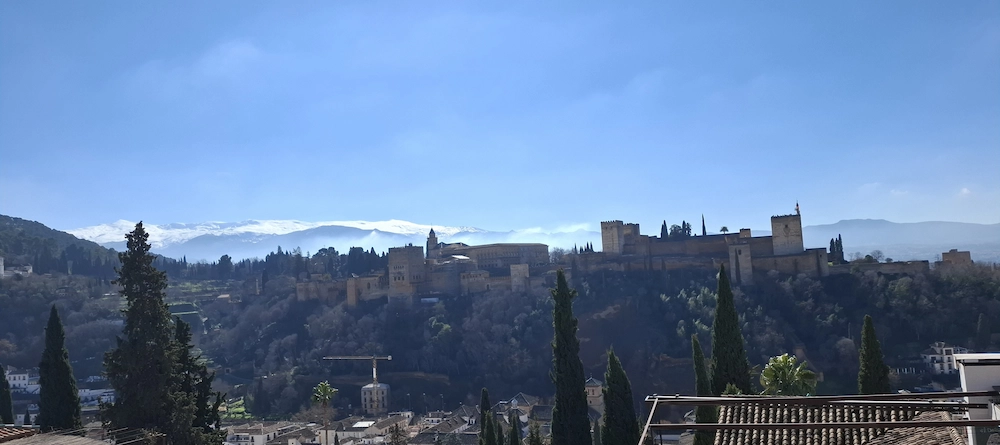
Granada is one of those destinations that stays with you, thanks to its unique character. Between its rich Islamic heritage present in every corner, historic neighbourhoods and the vibrant energy of its streets, there is always something happening. The impressive Alhambra takes this experience to another level.
To make it even more special, Granada sits right at the foothills of the Sierra Nevada, making it very common to combine both destinations in the same trip.
In this guide, we share a 2-day itinerary in Granada, with everything you need: history, what to visit, where to eat, how to get around and practical tips to make the most of your experience. This itinerary is based on two separate trips we made — one combining Granada and the Alhambra, and another combining Granada with the Sierra Nevada.
📍 Where Granada is and how to get there
Granada is located in southern Spain, in the Andalusia region, right next to the Sierra Nevada. It is easily accessible from cities such as Seville, Málaga or Córdoba. It is also relatively close to Portugal, especially the Algarve.
How to get there:
- ✈️ By plane: Granada has a small airport, Federico García Lorca Airport, with some domestic and limited European connections.
- 🚗 By car: A great option if you are doing a road trip around Andalusia. Granada is about 3 hours from Seville.
- 🚌 Train/Bus: Good connections from Málaga and Seville.
.
🏛️ History of Granada
Granada is a city full of history, something you can feel especially in its oldest areas and in the Alhambra. It is a place where different cultures coexisted — not always peacefully — and that legacy is still clearly visible today, particularly in the strong Arabic influence found throughout the city.
Granada gained importance during the Muslim rule of the Iberian Peninsula, especially from the 11th century, when it became the capital of the Zirid Kingdom. Later, during the Nasrid dynasty, the city reached its cultural, artistic and architectural peak — this was when the Alhambra was built.
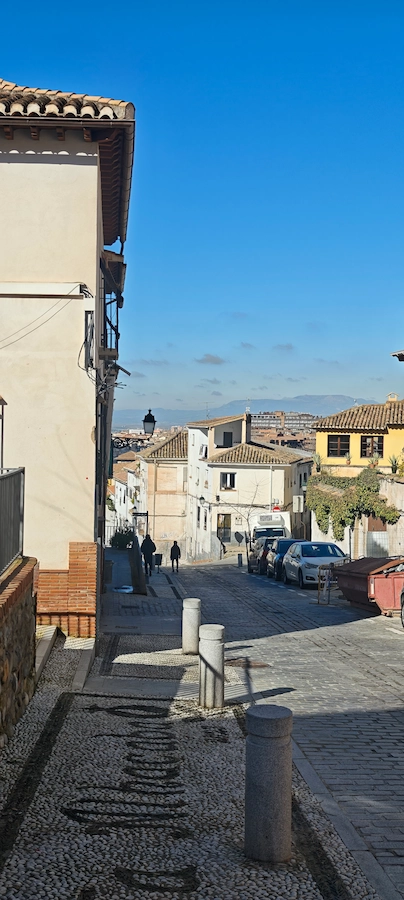
During the Christian expansion, Granada became the last Islamic stronghold in the Iberian Peninsula, finally falling to the Catholic Monarchs in 1492. After the Reconquest, many mosques were converted into churches, and Renaissance and Baroque buildings were constructed. However, the city never lost its Arabic roots, which are still present today.
👑 The Alhambra: history and symbolism
Visiting Granada without entering the Alhambra is like going to Rome and not seeing the Colosseum — it’s something you simply shouldn’t miss.
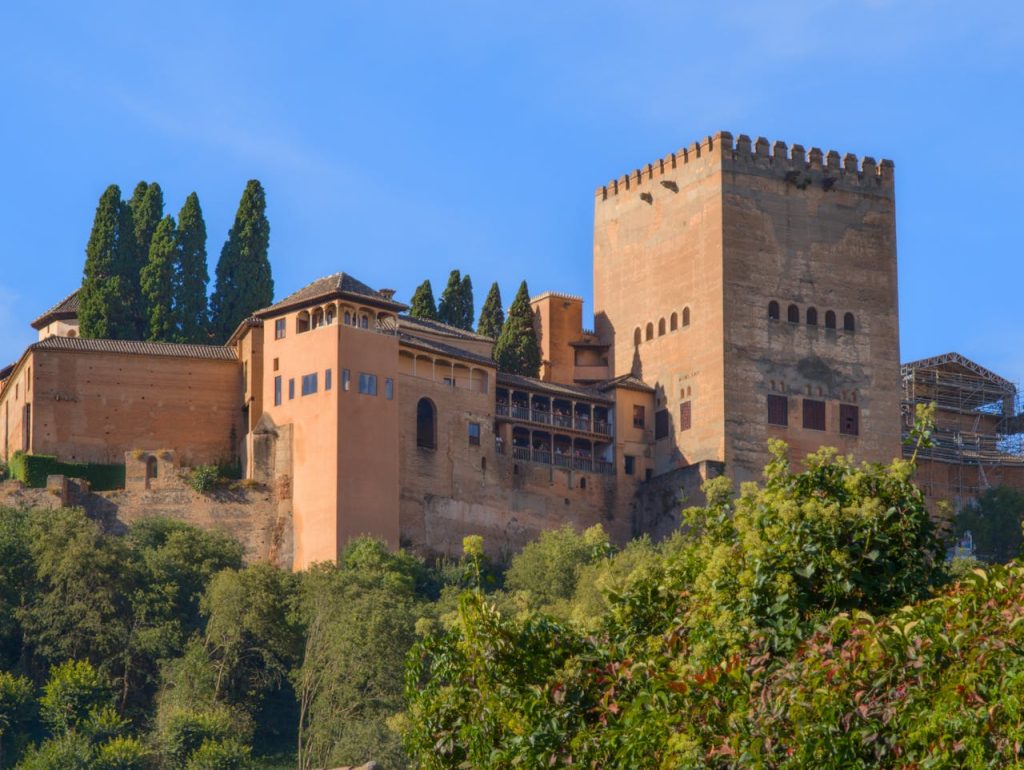
The Alhambra is a complex of palaces, residences and religious spaces built on one of the city’s hills. Between the 13th and 15th centuries, it functioned as a fully fortified city.
What was the Alhambra?
- Residence of the Nasrid sultans
- Political and administrative centre
- Military complex
- Religious and leisure space
The Alhambra stands out for its highly detailed Islamic architecture, where water plays a key role both aesthetically and functionally, especially in fountains and courtyard pools.
After the Christian Reconquest, new architectural elements were introduced, creating a unique and visible contrast that still defines the monument today.
👉 Scannertrip tip: Book your Alhambra tickets well in advance via the official website to avoid long queues. Follow this link.
🍽️ What to eat in Granada
Granada, like the rest of Andalusia, is famous for its tapas culture. There are countless tapas bars, as well as restaurants offering European cuisine and dishes with Islamic influence.
Dishes to try:
- Berenjenas fritas com mel → sweet and savoury combination
- Jamón ibérico → a Spanish classic
- Tortilla espanhola → Spanish omelette (tortilla)
- Piononos → traditional local dessert
We had several meals in Plaza de Bib-Rambla, where you can find a wide variety of restaurants.
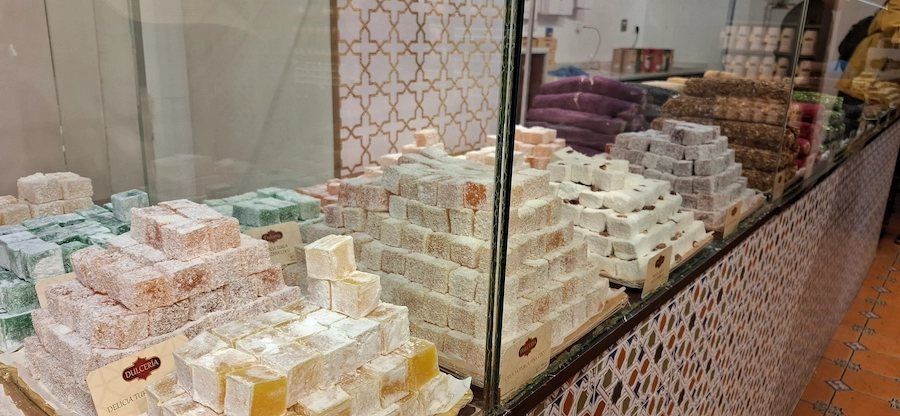
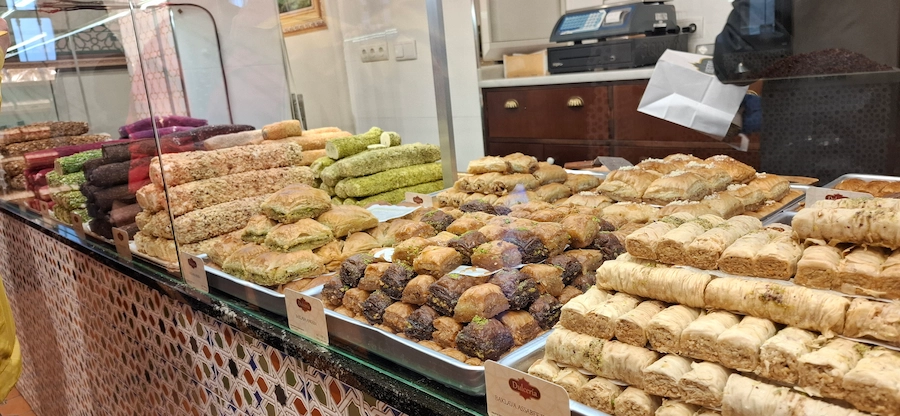
You will also find many shops selling Turkish-style sweets and dried fruits.
🏨 Where to stay in Granada
📍 Historic centre
- Best location
- Close to main attractions
- Ideal for a first visit
Granada offers a wide range of accommodation options — from the historic centre to Albaicín or more modern residential areas.
We chose to stay near the GR-30 ring road and metro stations. This allowed easy access to the Sierra Nevada, quick exits from the city, and convenient transport into the centre.
If you stay in the historic centre, you will be closer to attractions but may face more traffic and limited access by car.
The Albaicín neighbourhood, located on a hillside, offers a more authentic experience, but access and public transport can be more challenging.
📆 When to visit Granada
If you plan to combine Granada with a visit to the Sierra Nevada ski resort, the best time is winter or spring.
Summary:
🌸 Spring (best time)
Pleasant temperatures and possible access to snow in the Sierra Nevada.
🍂 Autumn
Fewer tourists and mild weather.
☀️ Summer
Very hot – temperatures can exceed 40ºC.
❄️ Winter
Cold and sometimes rainy, but ideal for snow experiences.
📅 2-day itinerary in Granada
🗺️ Day 1: Historic centre, Albaicín and viewpoints
Our first day was all about absorbing the essence of Granada.
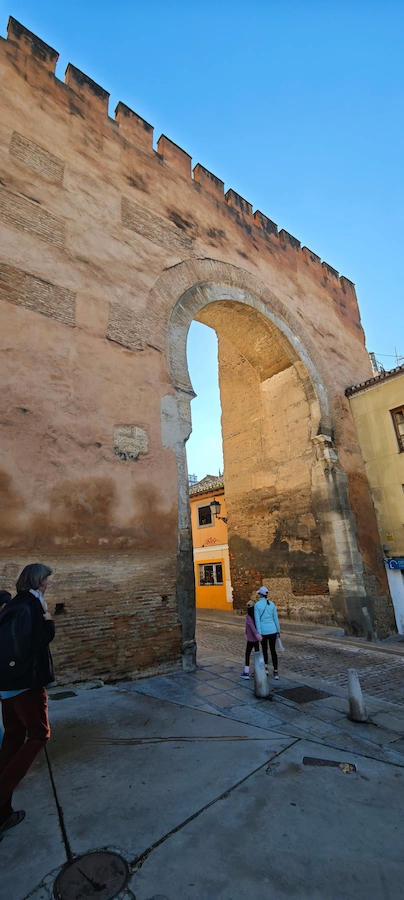
We started along Avenida de la Constitución, crossed the Jardines del Triunfo and Puerta de Elvira, and began climbing into the Albaicín.
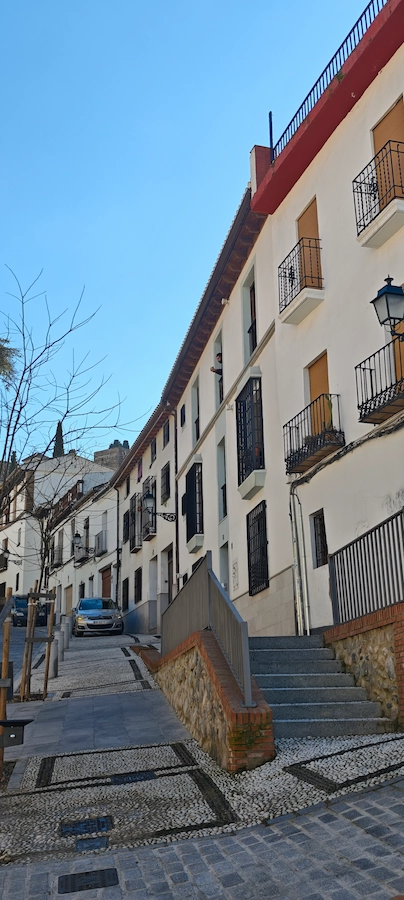
The Albaicín sits on a hillside and is full of narrow, steep streets, whitewashed houses and traditional architecture. It feels like a maze, full of hidden corners.
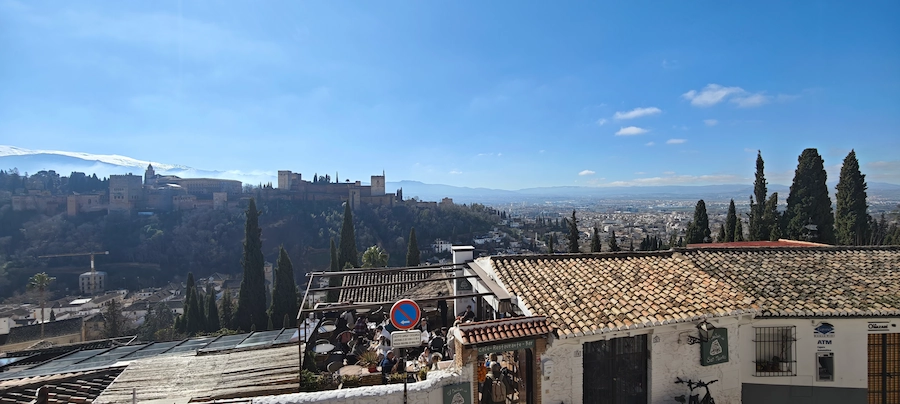
We headed towards the Church and Mirador de San Nicolás, where we enjoyed one of the best views of the Alhambra with the Sierra Nevada in the background.
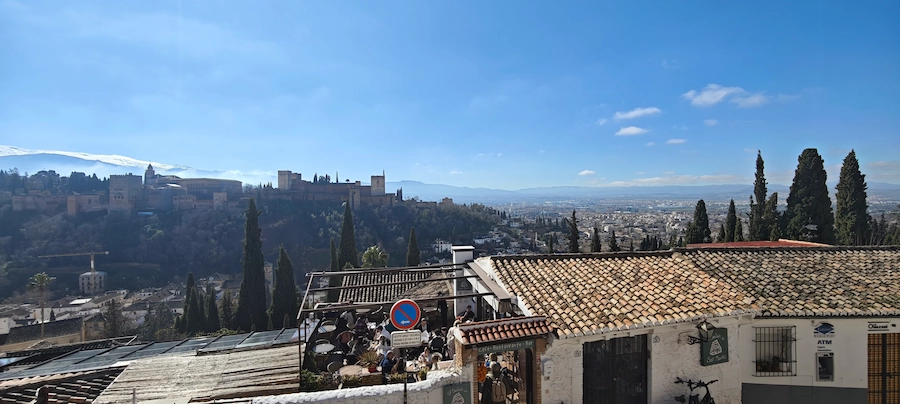
👉 Tip: Visit at sunset for the best photos.
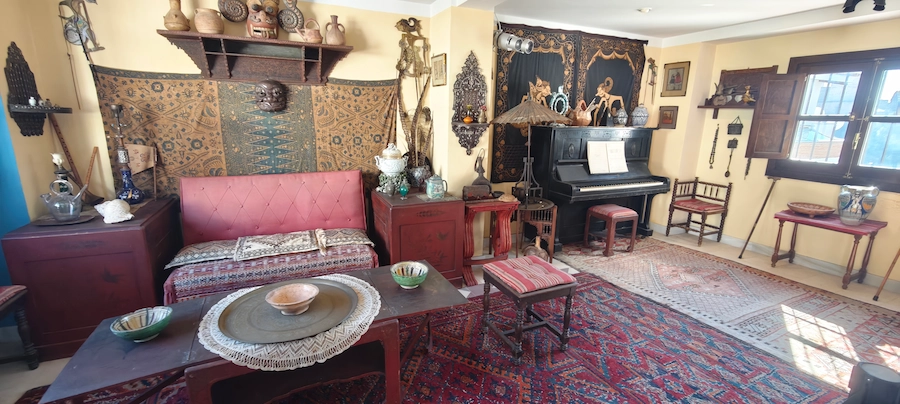
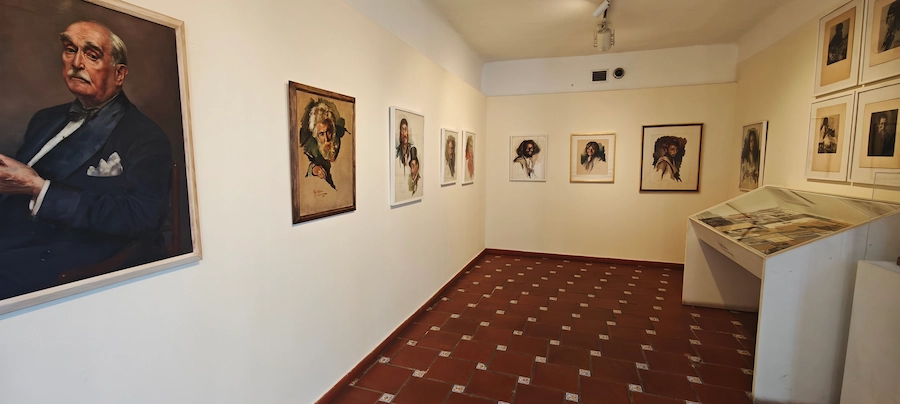
We continued through charming streets, visited Casa Museo Carmen de los Geranios, and explored Calle Calderería Nueva with its Arabic-style shops and cafés.
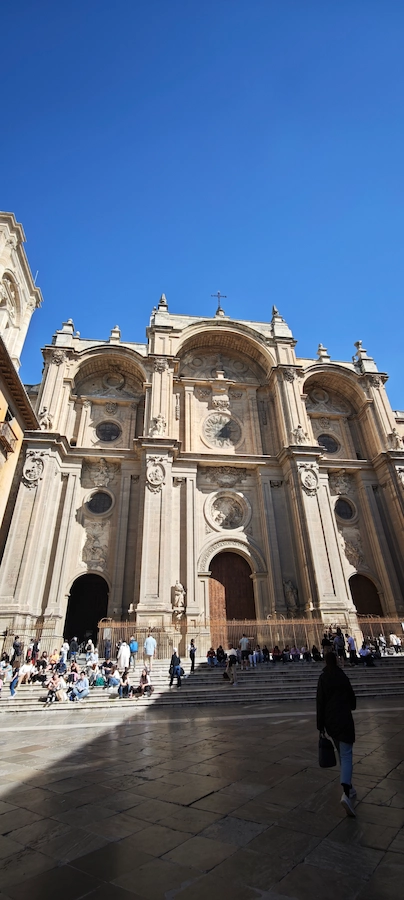
Later, we crossed Gran Vía de Colón and visited the Cathedral of Granada and the Royal Chapel.
The entrance is paid, but you can then take a self-guided tour with a free audioguide. It’s a great way to learn more about the cathedral’s details.
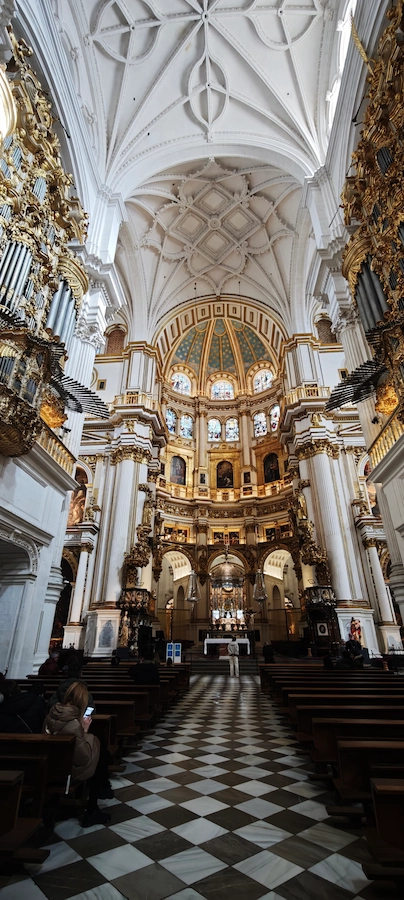
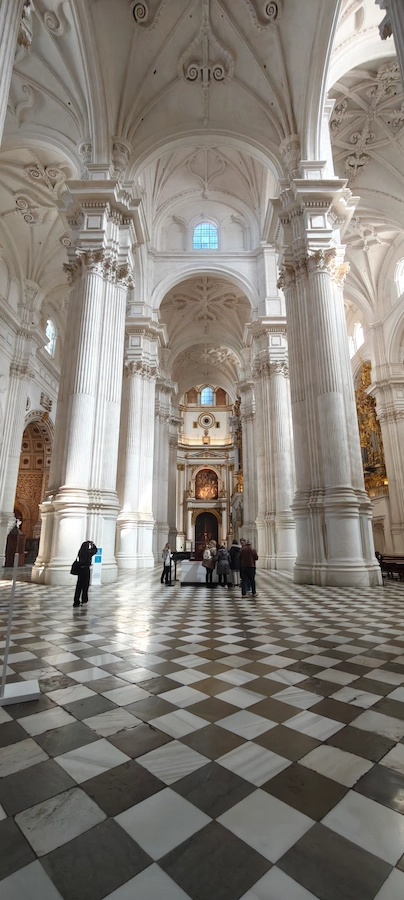
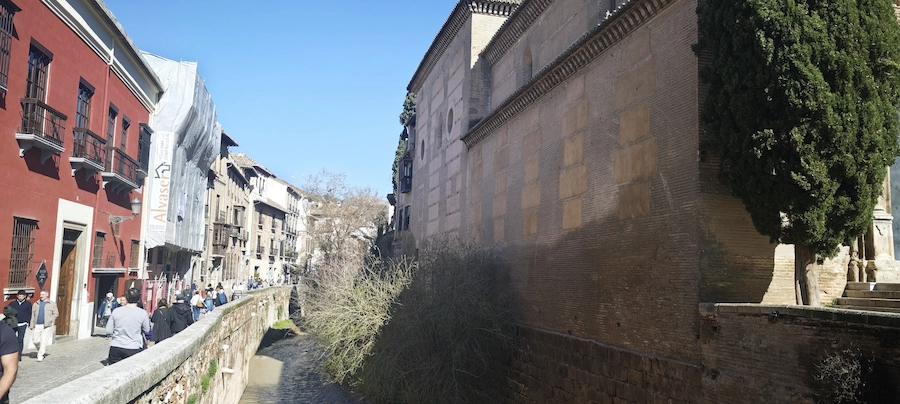
In the afternoon, we walked along Carrera del Darro, one of the most beautiful streets in the city, following the river and passing historic buildings and bridges.
Carrera del Darro is a street that runs alongside the Darro River, where you’ll find very old buildings and historic bridges. Nearby, you can also visit the famous Arab baths of Granada.
By walking along this street and following the signs, you can reach the Alhambra without needing public transport.
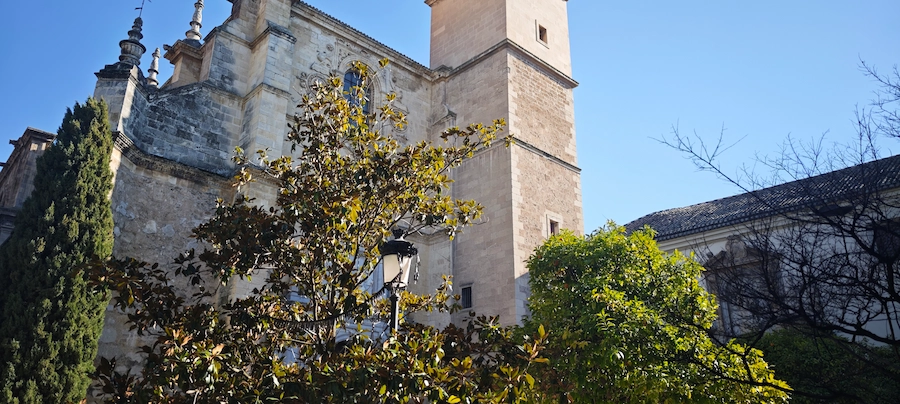
On our way back to the hotel, we also visited the university area, set within historic buildings, as well as the cloisters of the Royal Monastery of San Jerónimo.
🌿 Day 2: Alhambra
For your visit to the Alhambra, set aside at least 4 to 5 hours so you can explore the entire complex at a relaxed pace and fully appreciate the intricate details that make it so special.
🏰 Nasridas Palaces
This is the highlight of the visit. Here, the standout features are the Court of the Lions and the intricate decoration found throughout the various rooms.
.jpg)
Nasridas, CC BY 2.0 https://creativecommons.org/licenses/by/2.0, via Wikimedia Commons
🌺 Generalife
These were the summer gardens of the sultans. Here, you’ll find fountains and water channels, designed as spaces for relaxation and tranquillity.
🛡️ Alcazaba
It is the oldest part of the Alhambra. It was originally a military structure, and its towers offer panoramic views over Granada as well as the Sierra Nevada.
What to see in Granada and surroundings (extras)
Granada has something rare: it manages to surprise you in every direction. Look up and you’ll see the imposing Alhambra, with its delicate details and centuries of history. Look around and you’ll find yourself lost in the narrow streets of the old town, where every corner seems to tell a different story. But if you lift your gaze even further, in the distance there’s another key player that elevates this city to a whole new level: the Sierra Nevada.
Just a few kilometres from the centre, the Sierra Nevada appears as an almost unlikely landscape in southern Spain. For much of the year, its snow-capped peaks create a striking contrast with the warm and vibrant atmosphere of the city. It’s this duality that makes Granada so special — in a single day, you can explore Arab palaces, wander through historic neighbourhoods, and shortly after find yourself surrounded by mountain scenery worthy of an Alpine postcard. And if you keep going, you can even dip your feet in the Mediterranean on the very same day.
For us, the Sierra Nevada is a natural extension of the Granada experience. In winter and spring, it becomes one of the most popular snow destinations in the Iberian Peninsula, ideal for skiing or simply enjoying the white landscapes. In the warmer months, it reveals hiking trails, scenic viewpoints and a sense of calm that contrasts beautifully with the city’s energy.
Granada is not just what you see in its streets — it’s what you feel when you realise that everything is within reach: culture, history, gastronomy and nature.
On our most recent trip to Granada, we set out to enjoy the ski resort — and we share that experience here.

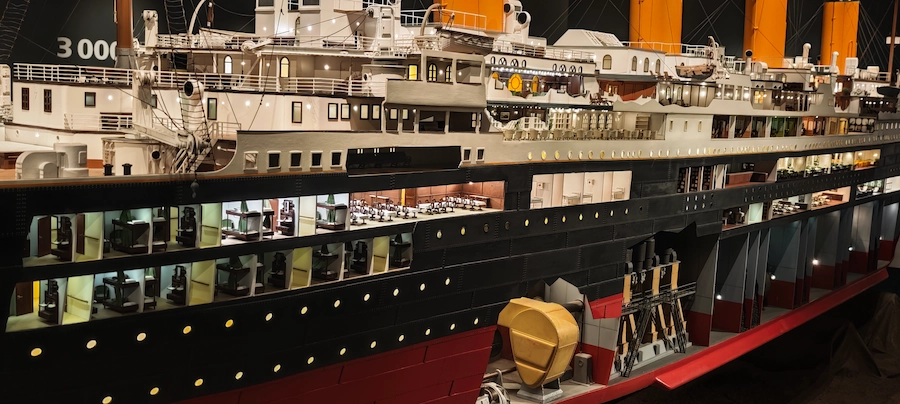
Another place that is definitely worth a visit is the Parque das Ciências de Granada. Despite our short stay, on the morning we left Granada we managed to visit this complex of science museums — and it turned out to be a great surprise. Much more than a traditional museum, it’s a dynamic, modern and fully interactive space, ideal for both adults and children.
It is one of the largest science museum complexes in Spain and stands out for the way it transforms complex topics into accessible and engaging experiences.
In addition to the interactive exhibitions, there is the Biodome, which recreates tropical ecosystems with various animal and plant species — almost like a small trip to the Amazon. There is also a Planetarium, perfect for astronomy enthusiasts, along with many other hands-on experiences.
We recommend setting aside at least 4 to 5 hours to fully enjoy everything it has to offer.
🚇 How to get around Granada
Granada is an easy city to explore. Walking is the best way to discover the historic centre and the older neighbourhoods, where you’ll find plenty of hills and cobbled streets.
To reach places further away, such as the Alhambra, you can travel by car or bus.
We used the metro line to get from the outskirts to the historic centre. It’s easy to use, and most of the route runs above ground.
💡 Tips
To wrap up, here are some essential tips we believe will help you make the most of your visit to Granada:
Combine your visit to Granada with a trip to the Sierra Nevada.
- Book your Alhambra tickets online well in advance;
- Wear comfortable shoes for the steep and cobbled streets of the historic area;
- Avoid summer and the hottest hours of the day;
- Visit the viewpoints at sunset or early in the morning for the best photos;
- There’s no need to pay extra to stay in the centre — consider staying on the outskirts near a metro line;
Plan your trip using the following tools or website
Using the following links and tools on the website you are helping to maintain Scannertrip. This use is the same for you and you do not pay more for it. For Scannertrip it makes all the difference!!
Hotels
To find the best hotel stays use Booking. It is one of the best websites for booking stays, always with promotions on some destinations. The reliability and ease of booking and cancelling make it even the most popular.
Flights
Compare Hotels prices
To compare prices for your Stays you can use the Hotels Combined or hotellook websites. These search engines show different prices from other websites for the same destination. There may be a lower price for the same hotel on another website and these search engines will show it.
Rent a car
If you choose to rent a car, also use the price comparators. The autoeurope website compares prices from different rental companies.
Activities
When preparing what to do at your destination, you will search for activities to be occupied. Use this activity comparator in the scannertrip provided by the Musement, tiqets, the civitatis or Get Your Guide.
Transfers
Transfers to and from the airport can be purchased via the website kiwitaxi. So you don’t need to get in touch with the different companies in your destination looking for the best price.
Bus or Train
If you need to travel by Bus or Train to your destination you can use this tool to help you to find the best rates.



No Comment! Be the first one.